
What to Expect on a Jungle Trek in Sumatra
A jungle trek in Sumatra offers an experience that feels raw, immersive, and deeply connected to nature. Unlike typical tourist activities, trekking through the rainforest challenges your body while rewarding your senses. From the moment you step into the dense greenery of Bukit Lawang, you enter a world shaped by humidity, wildlife, and untamed landscapes.
If you are planning your first jungle adventure, understanding what to expect will help you feel more prepared and confident. In this guide, you will discover how a typical jungle trek unfolds, what challenges you may face, and why the experience is truly unforgettable.
Entering the Sumatran Rainforest
As your trek begins, the first thing you will notice is the sudden shift in atmosphere. The air becomes warmer and more humid, while the sounds of nature grow louder and more layered. Birds call from above, insects buzz in the background, and leaves rustle as animals move through the trees.
At the same time, the forest canopy filters sunlight, creating a soft, green glow. This natural lighting gives the jungle a unique and almost mystical feel. As you move deeper into the forest, the outside world fades away, and your focus shifts entirely to your surroundings.
Trekking Through Challenging Terrain
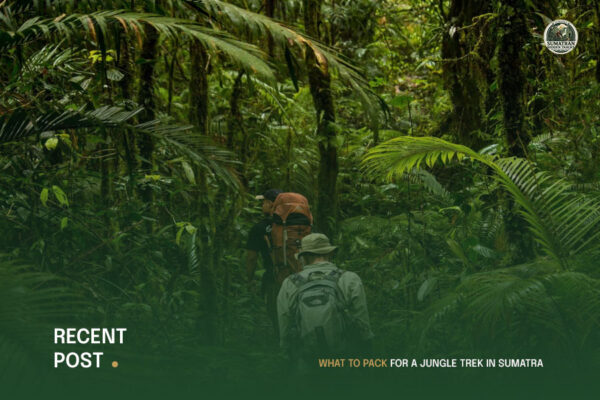
While the scenery is stunning, the terrain itself can be demanding. Jungle trails are rarely flat or predictable. Instead, you will encounter steep inclines, muddy paths, and exposed tree roots.
Because of these conditions, trekking requires both physical effort and careful attention. Each step matters, especially when the ground becomes slippery after rain. However, your guide will always lead the way, helping you navigate safely through the jungle.
In addition, you will quickly find your rhythm. Although the trek may feel challenging at first, your body adapts as you continue. Frequent breaks also allow you to rest and recharge, making the journey manageable even for beginners.
Spotting Wildlife in Their Natural Habitat
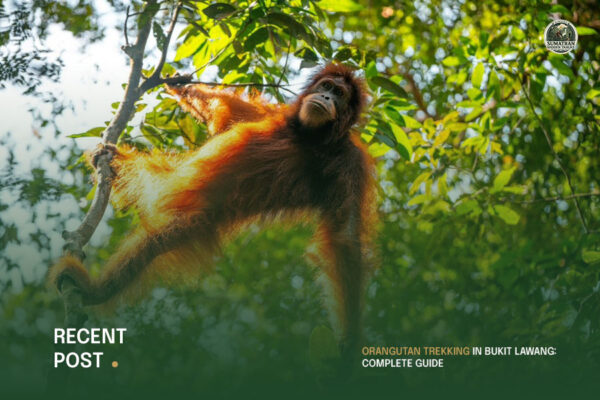
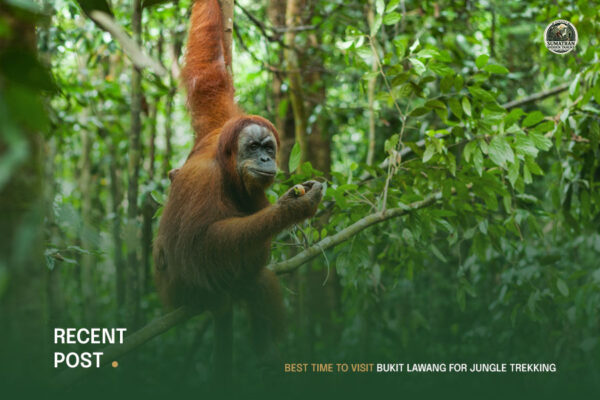
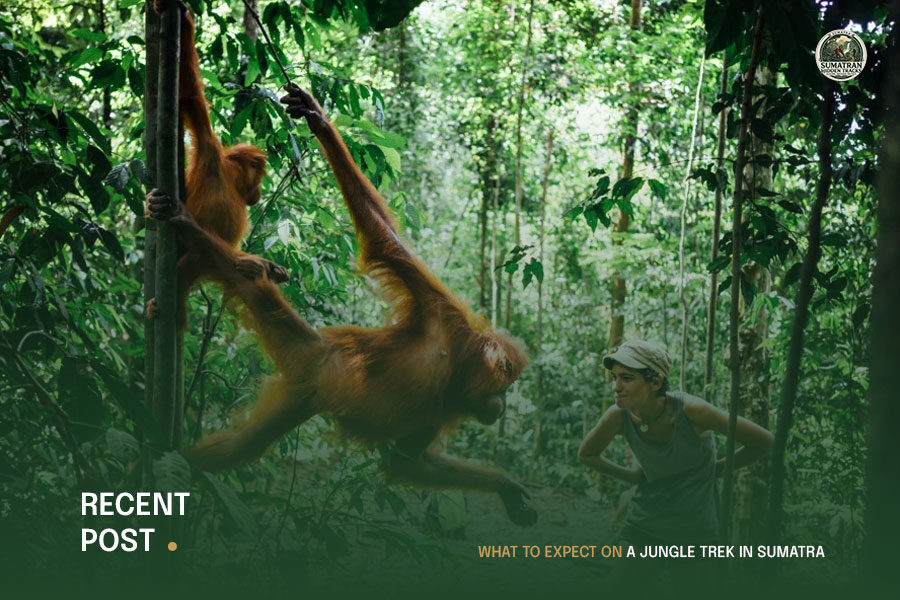
One of the most exciting aspects of jungle trekking in Sumatra is the opportunity to see wildlife up close. The region around Bukit Lawang is famous for its population of wild orangutans. Seeing one swing gracefully through the trees is a moment you will never forget.
However, orangutans are not the only animals you may encounter. As you move through the forest, you might also see Thomas leaf monkeys, macaques, hornbills, and other tropical species. Each sighting adds a sense of wonder to the experience.
At the same time, wildlife spotting requires patience. Animals move freely in their natural habitat, so there are no guarantees. Nevertheless, experienced guides know where to look and how to track subtle signs, increasing your chances of meaningful encounters.
Experiencing the Heat and Humidity
Another important aspect to expect is the climate. The Sumatran jungle is hot and humid throughout the year. As you hike, you will likely sweat more than usual, even during short treks.
Because of this, staying hydrated becomes essential. Drinking water regularly helps maintain your energy and prevents fatigue. In addition, wearing breathable clothing will make a noticeable difference in your comfort.
Although the heat can feel intense, it also enhances the authenticity of the experience. You begin to understand how life functions within this ecosystem, and you gain a deeper appreciation for the environment.
Taking Breaks and Enjoying the Moment
Despite the physical effort, jungle trekking is not a race. Instead, it is a journey meant to be experienced slowly. Throughout the trek, your guide will schedule breaks to rest, drink water, and enjoy the surroundings.
During these moments, you can truly absorb the atmosphere of the rainforest. You may sit quietly while listening to distant animal calls or watch sunlight filter through the leaves. These simple experiences often become the most memorable parts of the trek.
In addition, breaks provide opportunities for learning. Guides often share insights about local plants, wildlife behavior, and conservation efforts. As a result, your trek becomes both an adventure and an educational experience.
Crossing Rivers and Natural Obstacles
Depending on the route, your trek may include river crossings or small natural obstacles. These moments add variety and excitement to the journey.
For example, you might walk across shallow streams or climb over fallen logs. While these activities are generally safe, they require balance and awareness. Once again, your guide will assist you whenever needed.
In some cases, especially on longer treks, the return journey may involve river tubing. Floating down the river offers a refreshing and fun way to end your adventure.
Overnight Jungle Experience
If you choose a multi-day trek, you will spend the night in the jungle. This experience transforms your adventure into something even more memorable.
As evening approaches, the forest begins to change. The sounds shift, and nocturnal creatures become active. After dinner, you may sit by a small campfire while listening to the nighttime jungle.
Sleeping in the forest allows you to fully immerse yourself in nature. Although it may feel unfamiliar at first, it quickly becomes a peaceful and unique experience.
Moreover, waking up in the jungle offers a completely different perspective. Morning light filters through the trees, and the forest gradually comes alive again.
Food and Meals in the Jungle
During your trek, especially on longer routes, you will enjoy simple but satisfying meals prepared by your guides. Typically, meals include rice, vegetables, fruits, and sometimes local specialties.
Although the menu may be basic, the experience of eating in the jungle adds a special touch. Sharing food with your group creates a sense of connection and community.
At the same time, fresh fruits such as bananas and pineapples provide natural energy. These snacks help keep you energized throughout the day.
Safety and Guidance
Safety is always a priority during jungle trekking. Professional guides are trained to handle different situations, from navigating difficult terrain to managing wildlife encounters.
Because of their experience, you can focus on enjoying the trek while trusting their guidance. They will also set the pace according to your group’s ability, ensuring everyone feels comfortable.
In addition, guides emphasize ethical practices. Maintaining distance from animals and respecting the environment are essential parts of the experience.
Emotional and Personal Impact
Beyond the physical adventure, a jungle trek in Sumatra often creates a strong emotional impact. Being surrounded by untouched nature allows you to disconnect from daily routines and reconnect with yourself.
At the same time, encountering endangered species like orangutans can be deeply moving. You begin to understand the importance of conservation and the role you play as a traveler.
For many people, this experience becomes more than just a trip. It becomes a meaningful memory that stays with them long after they leave the jungle.
Final Thoughts
A jungle trek in Sumatra offers a unique blend of challenge, beauty, and discovery. From navigating rugged terrain to witnessing incredible wildlife, every moment contributes to a rich and rewarding experience.
Although the journey requires preparation and effort, the rewards far outweigh the challenges. By understanding what to expect, you can approach your trek with confidence and excitement.
Ultimately, this adventure is not just about exploring the jungle. It is about experiencing nature in its purest form and creating memories that will last a lifetime.