
Best Time to Visit Bukit Lawang for Jungle Trekking
Choosing the best time to visit Bukit Lawang can significantly shape your jungle trekking experience. While this destination remains open year-round, seasonal differences affect everything from trail conditions to wildlife encounters. Therefore, understanding the climate patterns and travel dynamics will help you plan a more enjoyable and rewarding adventure.
Bukit Lawang, located on the edge of Gunung Leuser National Park in North Sumatra, offers a tropical rainforest environment. As a result, the weather tends to be warm, humid, and occasionally unpredictable. However, each season brings its own advantages, and your ideal travel time depends on what kind of experience you are looking for.
Understanding the Climate in Bukit Lawang
Before deciding when to visit, it is important to understand the general climate. Bukit Lawang has a tropical rainforest climate, which means temperatures stay relatively consistent throughout the year. On average, daytime temperatures range between 25°C and 32°C.
At the same time, humidity levels remain high, often exceeding 80 percent. Because of this, the air can feel heavier, especially during physical activities like trekking. In addition, rainfall occurs throughout the year, although its intensity varies depending on the season.
Rather than experiencing four distinct seasons, Bukit Lawang has two main periods: the dry season and the rainy season. Each of these plays a key role in determining the quality of your trekking experience.
Dry Season: The Best Time for Jungle Trekking
The dry season, which typically runs from May to September, is widely considered the best time to visit Bukit Lawang for jungle trekking. During these months, rainfall decreases, and the trails become easier to navigate.
Because the ground stays relatively dry, you can walk more comfortably without worrying about slippery paths. This is especially helpful if you are planning a multi-day trek or if you are new to jungle hiking.
Moreover, the weather during the dry season tends to be more predictable. While occasional rain showers can still occur, they are usually short and less intense. As a result, your trekking schedule is less likely to be disrupted.
Another advantage of visiting during this period is better visibility. Clearer skies allow more sunlight to filter through the canopy, making wildlife spotting slightly easier. Consequently, many travelers choose this time to increase their chances of seeing orangutans and other animals.
Rainy Season: A Different Kind of Experience
Although the dry season is popular, the rainy season also offers unique benefits. This period usually falls between October and April, with peak rainfall occurring from November to January.
During these months, the jungle becomes incredibly lush and vibrant. The vegetation appears greener, rivers flow more strongly, and the entire environment feels alive. For nature lovers, this can be a magical experience.
However, trekking conditions become more challenging. Trails can turn muddy and slippery, which requires extra caution. Additionally, sudden rain showers may interrupt your plans or slow down your pace.
Despite these challenges, the rainy season has one major advantage: fewer tourists. With lower visitor numbers, you can enjoy a quieter and more peaceful trek. This creates a more intimate connection with nature and enhances the overall experience.
Wildlife Activity Throughout the Year
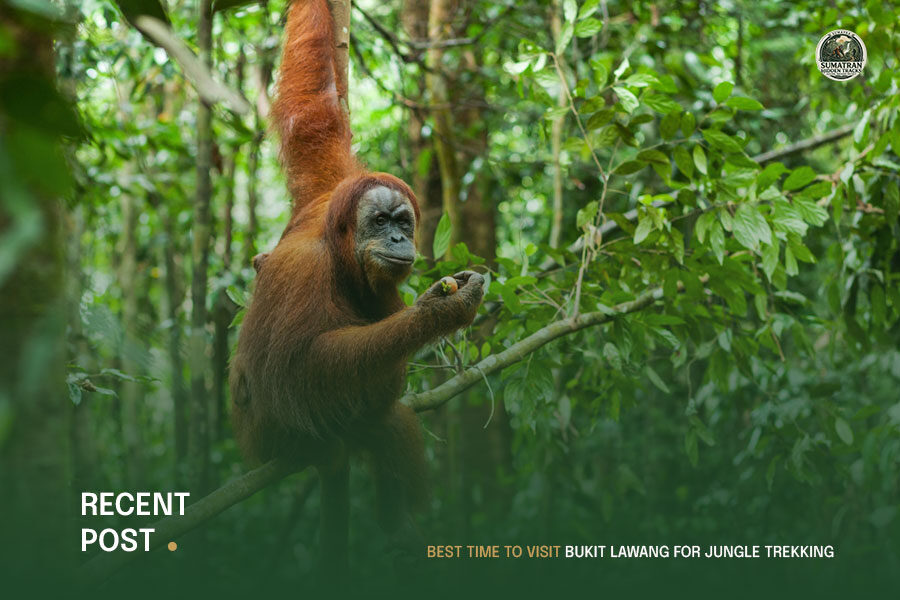
One of the main reasons travelers visit Bukit Lawang is to see orangutans in the wild. Fortunately, wildlife can be observed throughout the year, regardless of the season.
However, certain conditions may influence your chances. During the dry season, animals tend to move more actively in search of food, which can increase sightings. On the other hand, during the rainy season, dense foliage can sometimes make visibility more difficult.
Even so, experienced guides play a crucial role in spotting wildlife. They understand animal behavior and know where to look, which greatly improves your chances of meaningful encounters.
Therefore, while timing is important, choosing a knowledgeable guide is equally essential.
Crowd Levels and Travel Experience
Another factor to consider is the number of visitors. During the dry season, especially between June and August, Bukit Lawang becomes busier due to peak travel periods in Europe and Australia.
While the atmosphere remains relaxed compared to other tourist destinations, you may encounter more groups on the trails. If you prefer a more social environment, this can be a positive aspect.
In contrast, visiting during the shoulder months such as April, May, or September offers a balance between good weather and fewer crowds. These months often provide the best overall experience.
Meanwhile, the rainy season sees the lowest number of visitors. If solitude and quiet surroundings matter most to you, this period might be worth considering despite the weather challenges.
Best Months for Different Travel Goals
Choosing the best time also depends on your personal preferences and travel goals. For example, if your priority is comfort and ease of trekking, the dry season is the ideal choice.
If you are passionate about photography, visiting during the early dry season can provide excellent lighting and clearer views. This allows you to capture stunning images of the jungle and its wildlife.
On the other hand, if you are looking for a more adventurous and immersive experience, the rainy season offers a raw and authentic atmosphere. The jungle feels more alive, and the sense of exploration becomes stronger.
Additionally, budget-conscious travelers may find better deals during the off-peak months. Lower demand often leads to more flexible pricing for accommodation and tours.
How Weather Affects Trekking Duration
Weather conditions can also influence the type of trek you choose. During the dry season, longer treks such as 2-day or 3-day adventures become more comfortable and manageable.
Because the trails are easier to navigate, you can explore deeper areas of the जंगल without excessive difficulty. This increases your chances of encountering diverse wildlife.
In contrast, during the rainy season, shorter treks such as 3-hour or 1-day options may be more suitable. These allow you to enjoy the experience while minimizing exposure to challenging conditions.
Nevertheless, experienced trekkers may still enjoy multi-day adventures during the rainy season, as long as they are well-prepared.
Tips for Planning Your Visit
To make the most of your trip, planning ahead is essential. First, always check the weather forecast before your arrival. While forecasts are not always perfect, they provide a general idea of what to expect.
Next, book your trekking guide in advance, especially during peak months. This ensures availability and allows you to choose a reputable operator.
In addition, pack appropriately for the season. Lightweight clothing, proper footwear, and rain protection are important regardless of when you visit.
Finally, stay flexible with your plans. Jungle environments are naturally unpredictable, so being adaptable will help you enjoy the experience without unnecessary stress.
Final Thoughts
The best time to visit Bukit Lawang for jungle trekking ultimately depends on your preferences. If you value comfort, easier trails, and stable weather, the dry season from May to September is the ideal choice.
However, if you are drawn to lush landscapes, fewer crowds, and a more adventurous atmosphere, the rainy season offers its own rewards. Each period provides a different perspective on the Sumatran rainforest.
By understanding the seasonal differences and preparing accordingly, you can create a trekking experience that matches your expectations. No matter when you visit, Bukit Lawang promises an unforgettable journey into one of the world’s most remarkable ecosystems.