
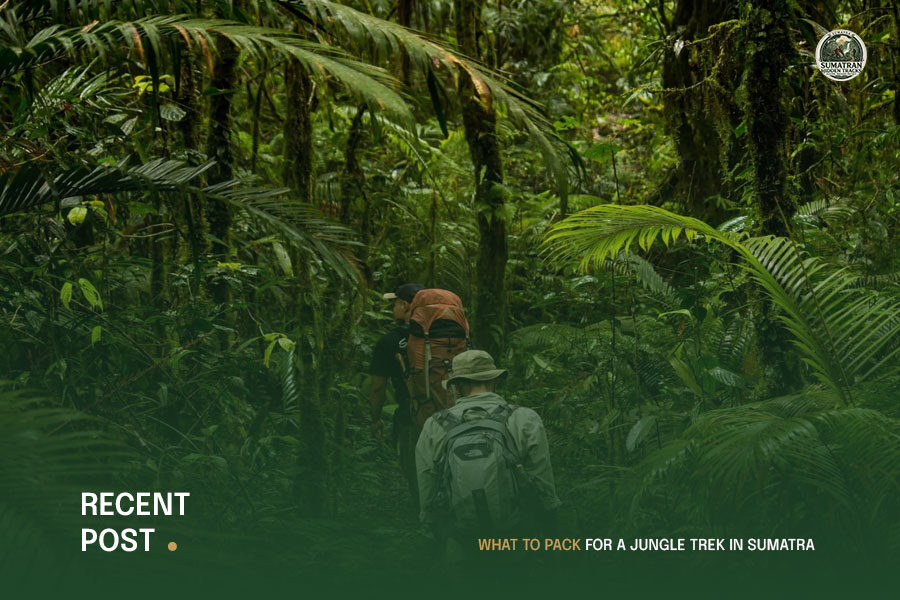
What to Pack for a Jungle Trek in Sumatra
Planning a jungle trek in Sumatra is exciting, but packing the right gear will determine whether your experience feels comfortable or unnecessarily challenging. The tropical rainforest in Bukit Lawang offers breathtaking wildlife, dense vegetation, and unpredictable weather. Therefore, you need to prepare thoughtfully.
Instead of bringing everything you own, focus on essentials that support mobility, safety, and comfort. In this guide, you’ll learn exactly what to pack for a jungle trek in Sumatra, especially if you’re exploring Bukit Lawang and its surrounding rainforest.
Understand the Jungle Environment First
Before you start packing, it helps to understand what you’ll face in the Sumatran jungle. The climate is hot, humid, and often wet. Rain can fall suddenly, trails can become slippery, and insects are part of the ecosystem.
Because of these conditions, you should prioritize lightweight, quick-drying, and breathable items. At the same time, you need protection from rain, bugs, and rough terrain. Once you understand this balance, packing becomes much easier and more intentional.
Choose the Right Clothing for Comfort and Protection
Clothing plays a major role in your trekking experience. First of all, you should wear lightweight and breathable fabrics such as cotton blends or moisture-wicking materials. These will help your body stay cool even in high humidity.
In addition, always bring long-sleeve shirts and long pants. While it might feel counterintuitive in hot weather, these actually protect your skin from insects, branches, and sun exposure. As a result, you reduce the risk of irritation and bites.
Moreover, pack at least one extra set of clothes. After a few hours in the jungle, your clothes will likely become sweaty or wet from rain. Changing into dry clothes afterward will feel incredibly refreshing.
At the same time, don’t forget a light rain jacket or poncho. Sudden rain showers are common in Sumatra, and having waterproof protection will keep you comfortable throughout the trek.
Invest in Proper Footwear
Next, let’s talk about footwear, which is often underestimated. However, choosing the wrong shoes can quickly ruin your trekking experience.
Ideally, you should wear sturdy trekking shoes or hiking boots with good grip. The jungle trails can be muddy and slippery, especially after rain. Therefore, strong traction will help you stay stable and avoid injuries.
In addition, bring a pair of comfortable sandals or flip-flops. These will come in handy when you reach the campsite or want to relax after trekking. Switching footwear allows your feet to breathe and recover.
Equally important, wear good-quality socks. Choose moisture-wicking socks to prevent blisters and discomfort during long walks.
Protect Yourself from Insects and Wildlife
Since you are entering a natural habitat, insects are unavoidable. However, you can minimize discomfort with the right preparation.
First, always carry a reliable insect repellent. Choose one that contains DEET or natural alternatives, depending on your preference. Apply it regularly, especially in the morning and late afternoon.
Furthermore, consider bringing anti-itch cream or lotion. Even with precautions, insect bites can still happen. Having relief on hand will make a big difference.
Also, avoid strongly scented products such as perfumes or fragranced lotions. These can attract insects and disrupt wildlife behavior, which goes against ethical trekking principles.
Pack Essential Gear for the Trek
Beyond clothing, several key items will improve your overall experience.
Start with a small backpack. Keep it lightweight and comfortable since you’ll carry it for hours. Inside, pack only what you truly need.
Next, bring a reusable water bottle. Staying hydrated is crucial in a humid environment. Many guides will provide water refills, so a durable bottle is enough.
In addition, pack some snacks such as energy bars or fruits. Although meals are usually included in longer treks, having quick energy sources helps maintain your stamina.
A headlamp or flashlight is also important, especially for overnight treks. Jungle nights get very dark, and reliable lighting ensures safety and convenience.
Finally, don’t forget a dry bag or waterproof pouch. This will protect your electronics, documents, and valuables from rain or river crossings.
Keep Your Personal Items Minimal but Smart
While it might be tempting to bring extra items “just in case,” overpacking will slow you down. Instead, focus on smart essentials.
Bring travel-size toiletries such as biodegradable soap, a toothbrush, and a small towel. These are especially useful for multi-day treks.
In addition, pack sunscreen with a high SPF. Even under the forest canopy, UV exposure still exists.
You should also carry basic medications. Include pain relievers, personal prescriptions, and rehydration salts. These small items can be extremely helpful in remote areas.
Equally important, keep your passport or a copy stored safely in a waterproof bag. Even though you won’t need it during the trek, it’s better to stay prepared.
Prepare for Overnight Jungle Treks
If you plan to stay overnight in the jungle, your packing list needs slight adjustments.
Typically, your guide will provide camping equipment such as tents and food. However, you should still bring personal comfort items.
For instance, pack a lightweight sleeping liner. This adds an extra layer of comfort and hygiene when sleeping outdoors.
Additionally, bring a small travel pillow or use a compact inflatable one. While optional, it can improve your rest significantly.
At the same time, include a spare set of dry clothes specifically for sleeping. Changing into clean clothes at night helps your body relax after a long day.
Don’t Forget Your Camera or Phone
A jungle trek in Sumatra offers unforgettable moments, especially when you encounter orangutans in their natural habitat. Therefore, bringing a camera or smartphone is highly recommended.
However, you should protect your device properly. Use a waterproof case or dry bag to prevent damage from humidity and rain.
Also, keep your gear lightweight. Avoid carrying heavy camera equipment unless necessary, as it can become tiring during long hikes.
Respect Ethical Trekking Practices
While packing focuses on your needs, it should also reflect respect for nature.
Avoid single-use plastics whenever possible. Instead, use reusable containers and bottles.
In addition, do not bring items that could harm wildlife or the environment. For example, avoid feeding animals or carrying food that might attract them.
By packing responsibly, you contribute to preserving the jungle ecosystem for future generations.
Final Packing Tips Before You Go
Before leaving for your trek, take a moment to review your bag. Remove unnecessary items and prioritize essentials.
At the same time, test your gear. Wear your shoes beforehand, check your backpack comfort, and ensure all equipment works properly.
Moreover, listen to your guide’s recommendations. Local guides understand the jungle conditions better than anyone, so their advice is invaluable.
Ultimately, the goal is simple: pack light, stay prepared, and enjoy the journey.
Conclusion
Packing for a jungle trek in Sumatra doesn’t have to be complicated. Once you understand the environment, you can choose items that enhance your comfort and safety.
By focusing on breathable clothing, proper footwear, essential gear, and minimal personal items, you set yourself up for a smooth adventure. At the same time, respecting ethical practices ensures that your journey supports conservation efforts.
Now that you know what to pack, you’re one step closer to experiencing the incredible beauty of Bukit Lawang and the Sumatran rainforest.